Signs Your Deck Has Gone Past the Point of Repair
Every deck we get called out to in Kitchener, Waterloo, Cambridge and the surrounding area starts with the same question: repair or rebuild. Most decks can be brought back with cleaning, sanding and a fresh coat of stain, which is why /deck-repair-and-maintenance covers the majority of the calls we get. A full rebuild is a different conversation, and it is the right one when the problems are structural rather than cosmetic. Soft, spongy boards near the ledger board, posts that rock when you push on them, footings that have visibly heaved out of the ground, and joists with soft, crumbling ends are the signals we look for. Southwestern Ontario's freeze-thaw winters are hard on anything built with shallow footings or undersized hardware, and a deck that met code twenty years ago may not meet the standards we build to today.
We never recommend a rebuild when a repair will genuinely hold up. If your deck's frame is sound and the issues are limited to worn boards, loose railings or a faded finish, we will say so and point you toward the more affordable option instead.
What a Full Deck Rebuild Includes
A rebuild starts with the same structural inspection we would run for any repair call, except the scope covers the whole deck rather than a single section. Once we have confirmed a rebuild is the right call, the old structure comes down first.
- Careful demolition of the existing deck, including ledger removal and inspection of the house wall behind it
- Haul-away of all old lumber, hardware and debris so your yard is clear before we build
- New or reset footings poured to current frost-depth requirements
- Pressure-treated framing sized and spaced to current Ontario building code
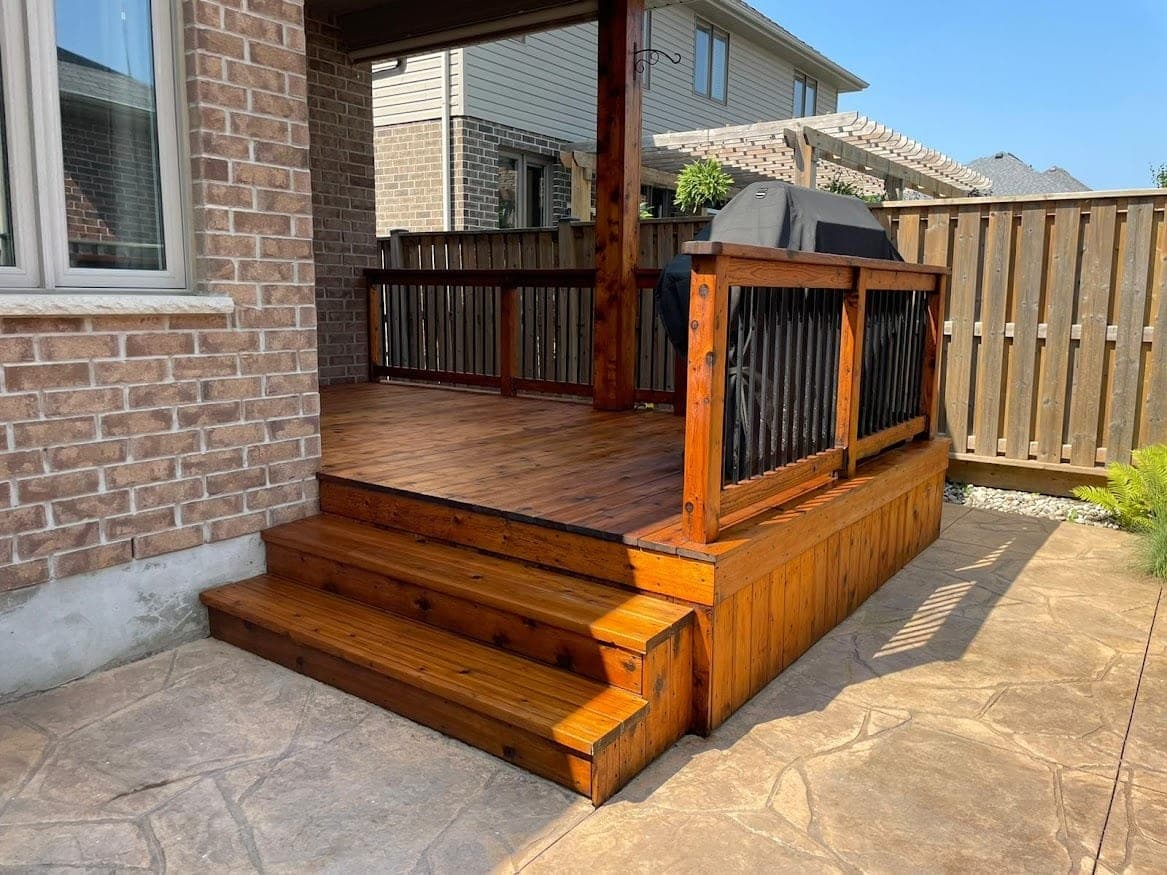
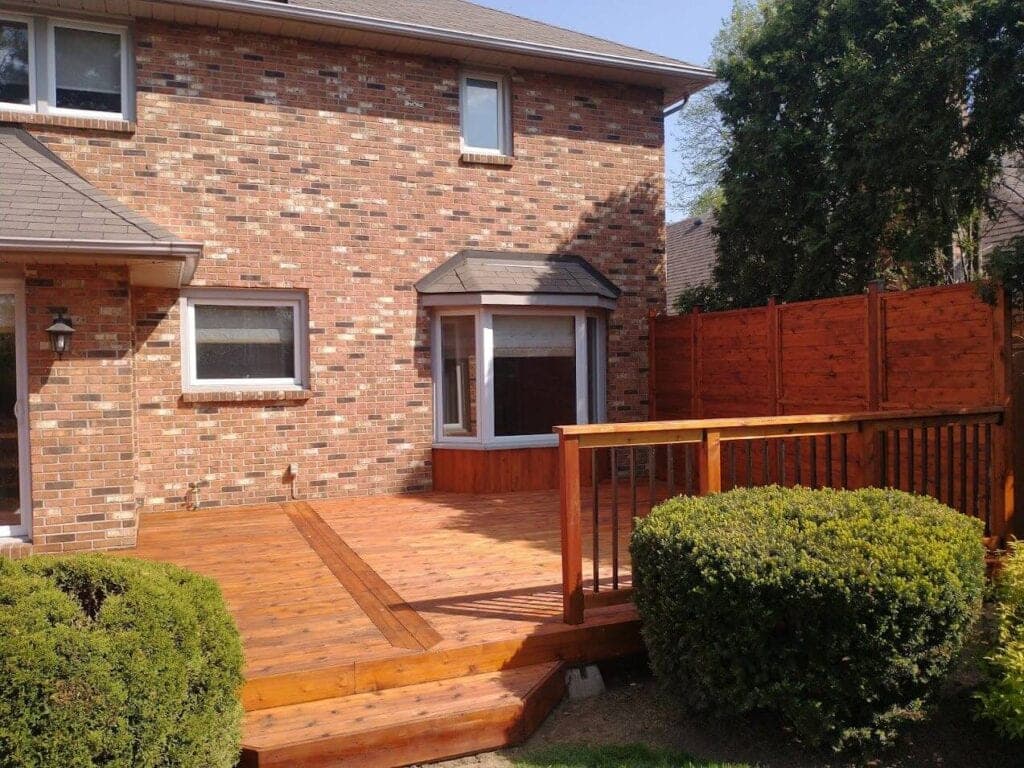
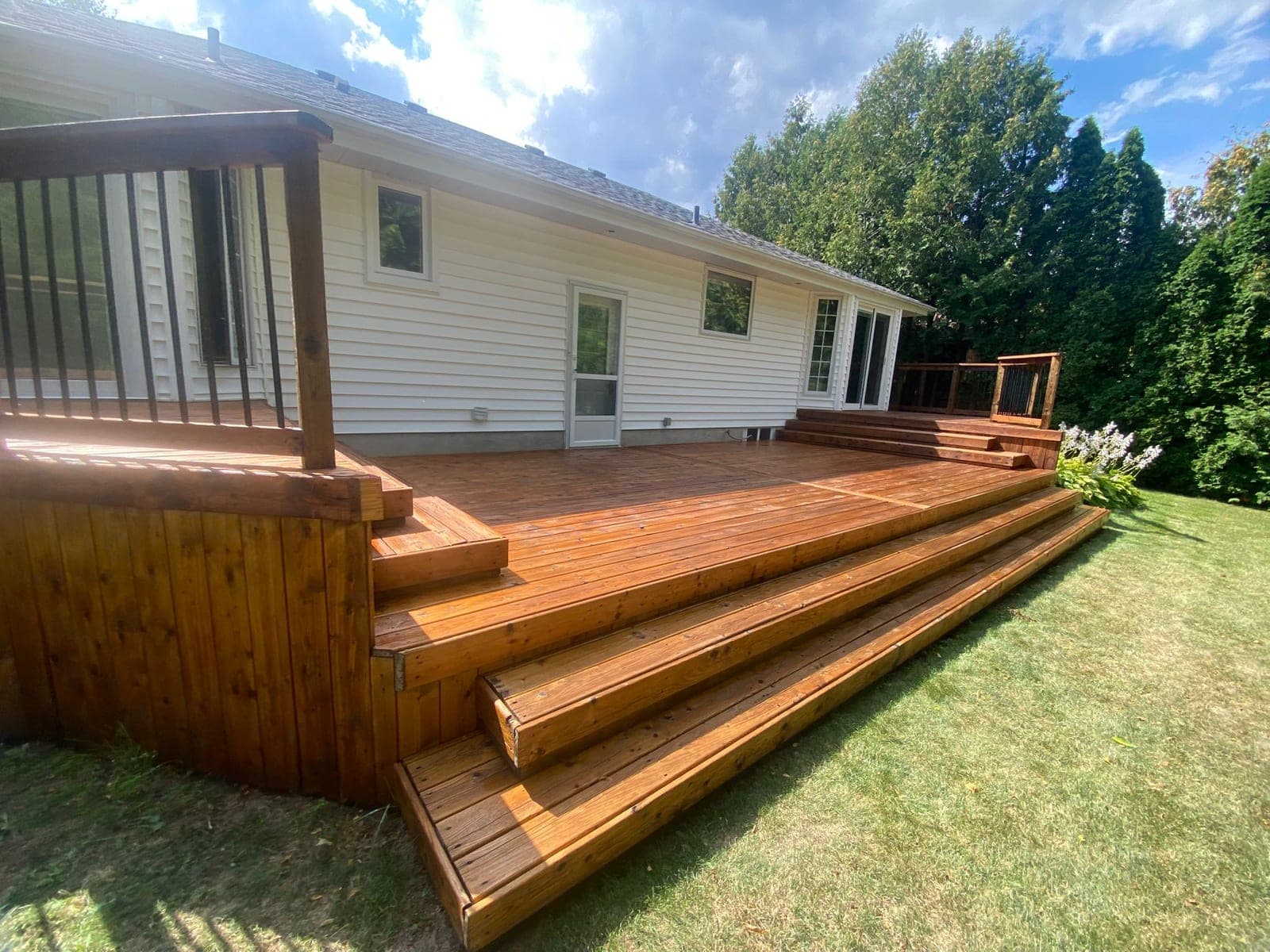
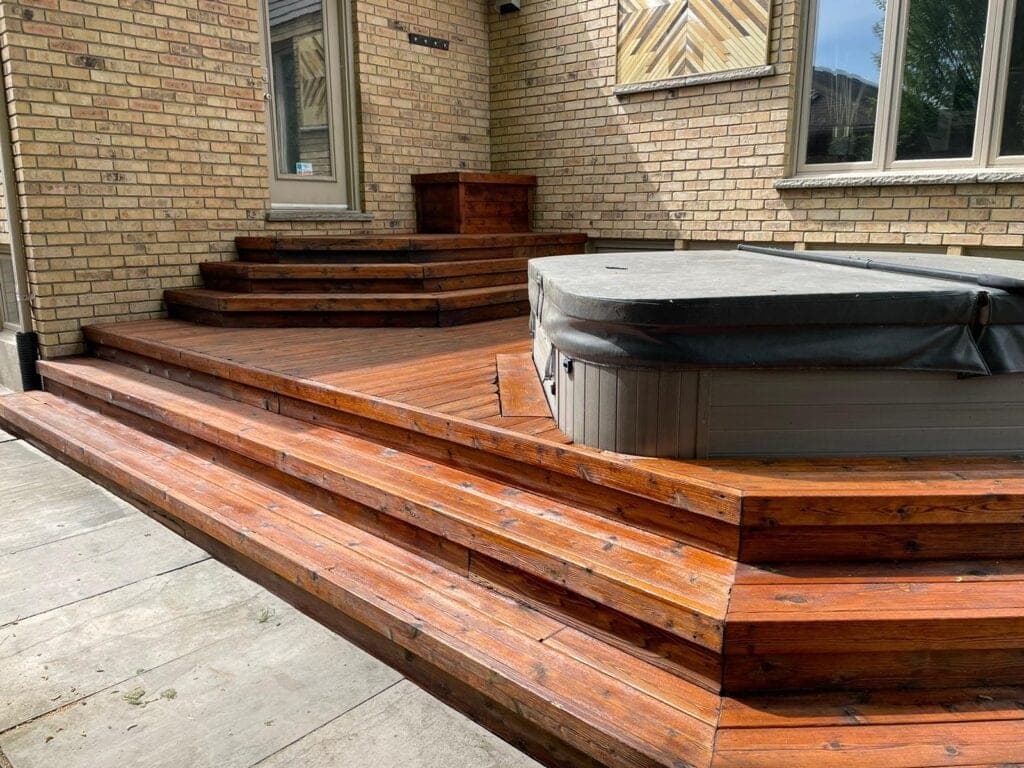
- Your choice of decking material, plus railings, stairs and skirting to match
Framing That Holds Up to a Southwestern Ontario Winter
The part of a rebuild that matters most is the part you never see again once the decking goes down. Footings that sit above the frost line will heave every winter and eventually pull a deck out of level, which is one of the most common failures we find on decks built in the 1990s and early 2000s across this region. We reset footings to proper depth, use joist hangers and structural screws rated for exterior exposure, and flash the ledger board where it meets the house so water cannot work its way behind the siding. None of this is visible once the deck is finished, but it is the difference between a deck that lasts five years and one that lasts twenty-five.
Choosing Between Pressure-Treated, Cedar and Composite
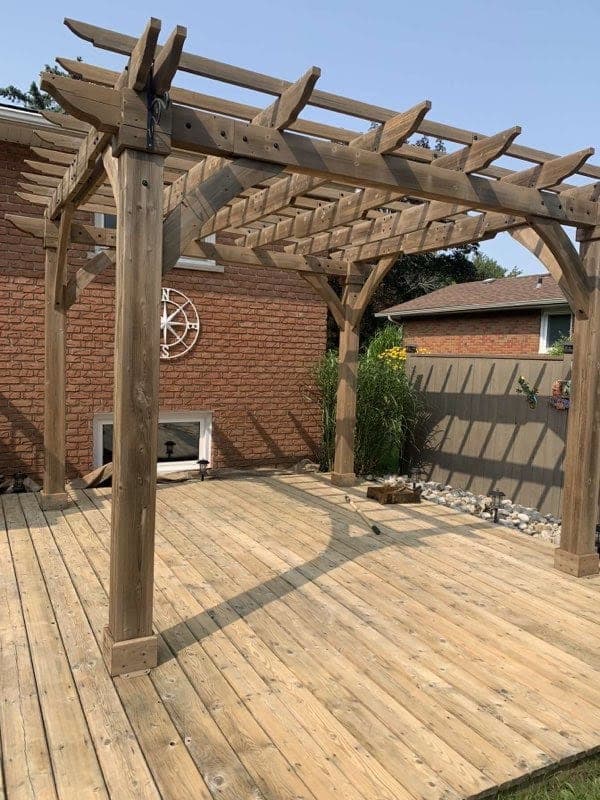
Most rebuilds we do in Kitchener-Waterloo use pressure-treated lumber for the frame regardless of what goes on top, because it is the most cost-effective way to build something structurally sound. For the decking surface itself, pressure-treated remains the most budget-friendly choice and takes a brush-applied oil stain beautifully once it has had a season to dry out. Cedar costs more but has a tighter grain and a warmer natural tone that some homeowners prefer, and it also takes stain well. Composite decking costs more again but needs no staining at all, which some clients weigh against the higher upfront price. We will talk through the trade-offs on site rather than push one option, since the right material depends on budget, how the deck gets used, and how much upkeep you want going forward.
How Long a Rebuild Takes
Most single-level deck rebuilds in our service area take two to four days from demolition to finished railings, depending on size, footing work and weather. Multi-level decks, decks with stairs to grade, or projects that need engineered drawings for a permit take longer. We will give you a realistic timeline before work starts, and we plan around Ontario's spring and fall rain rather than promise a date we cannot hit.
After the Rebuild: Sealing and Long-Term Care
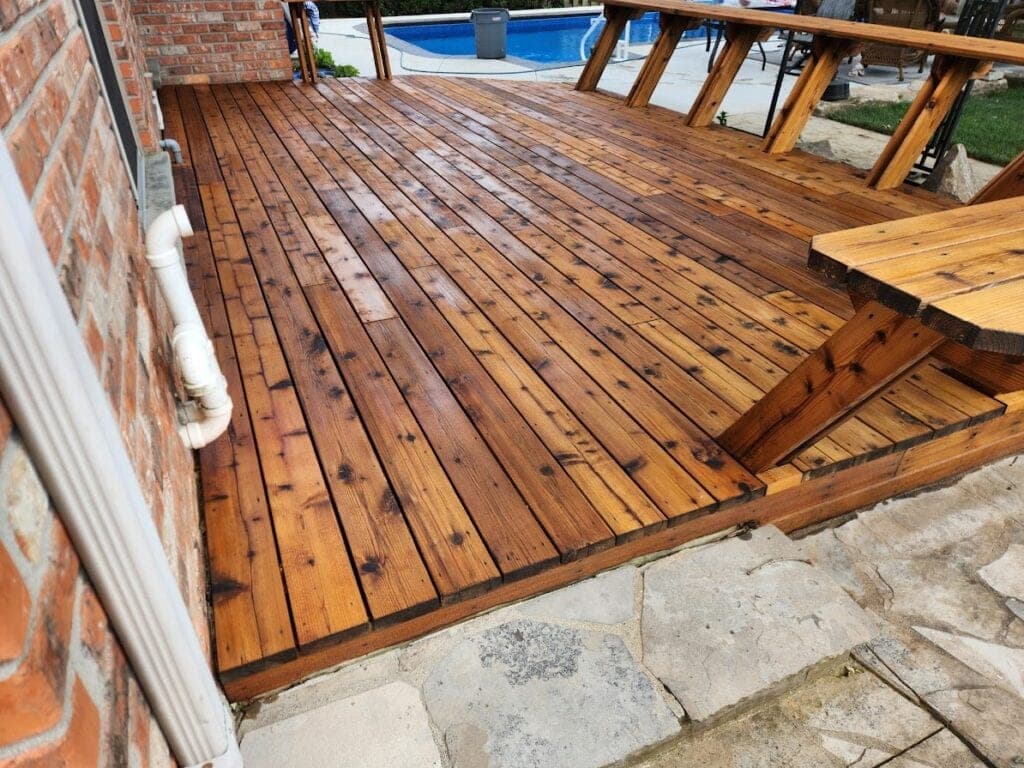
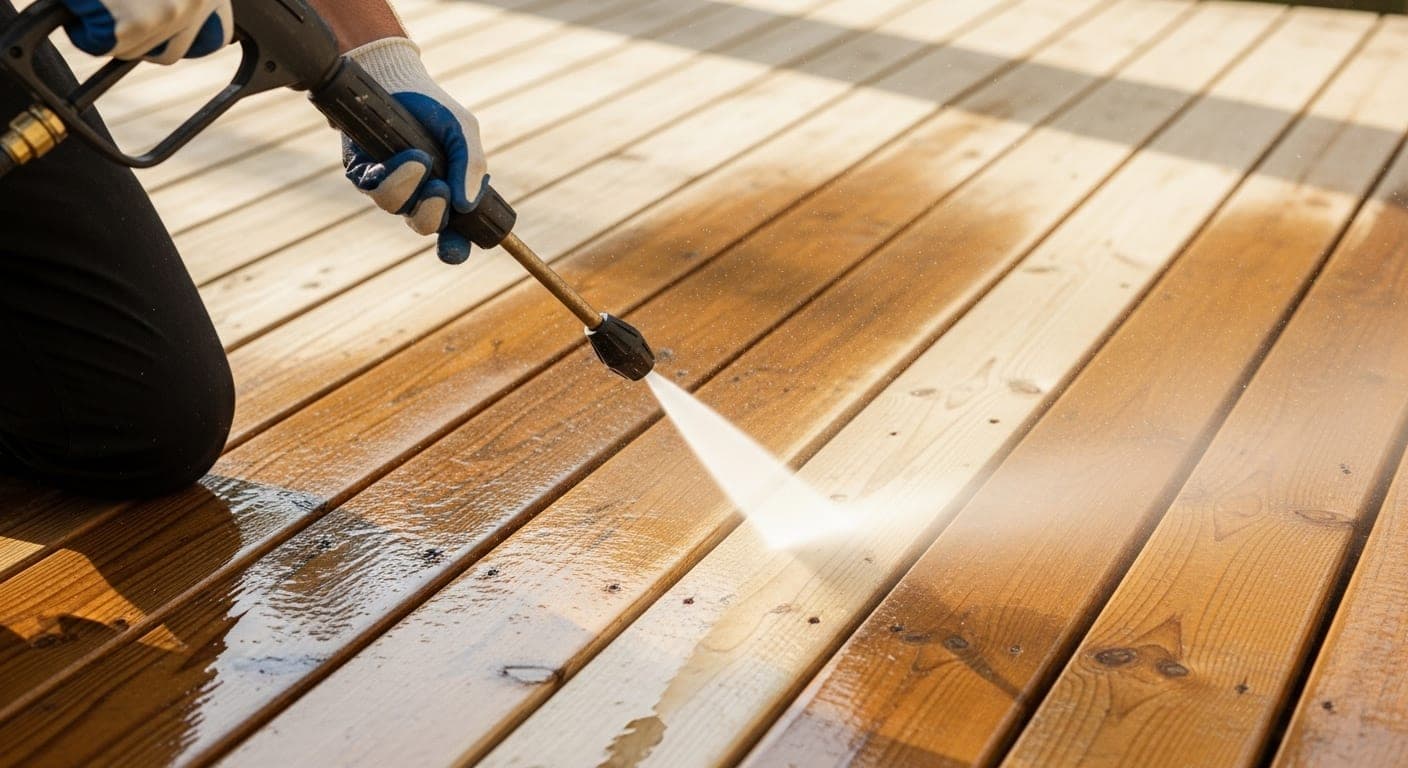
A brand-new deck frame and surface still needs to be sealed before it is fully protected, though pressure-treated lumber generally needs a season to dry out first while cedar can often be stained sooner. Once your rebuild is complete, our /sealing-services team can handle the staining separately, or we can schedule it as a follow-up once the wood has cured. From there, a re-stain every two to four years and an occasional wash through /pressure-washing-services is typically all a rebuilt deck needs to stay solid for decades.
Getting a Quote for Your Rebuild
Every rebuild starts with a free, no-obligation quote. Cameron and the Restore My Deck team will assess the structure in person, walk you through what is failing and what a rebuild would involve, and give you a clear price before any work begins. Reach us through /contact-us or call 226.476.2055, Monday to Friday, 8 AM to 5 PM.