One city, several microclimates
Hamilton's escarpment does more than shape the skyline. Neighbourhoods down in the valley, like Dundas and parts of Ancaster, tend to sit in more sheltered, tree-lined pockets with softer wind and higher humidity, while properties up on the Mountain face more open exposure and stronger wind gusts off the escarpment edge. Over in Stoney Creek, proximity to the lake adds another layer of humidity that behaves differently again. We treat these as genuinely different environments rather than applying one standard approach across the whole city.
Ancaster and Dundas: mature trees, mature homes
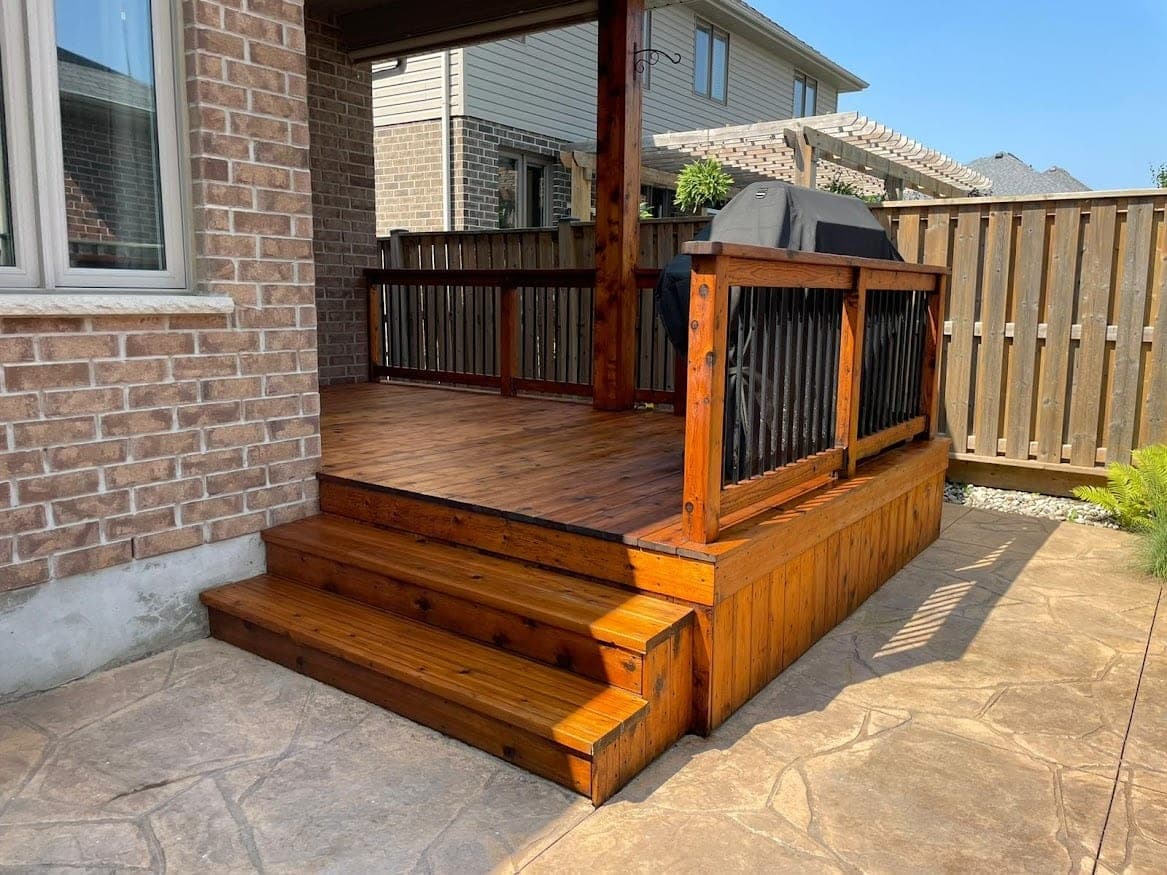
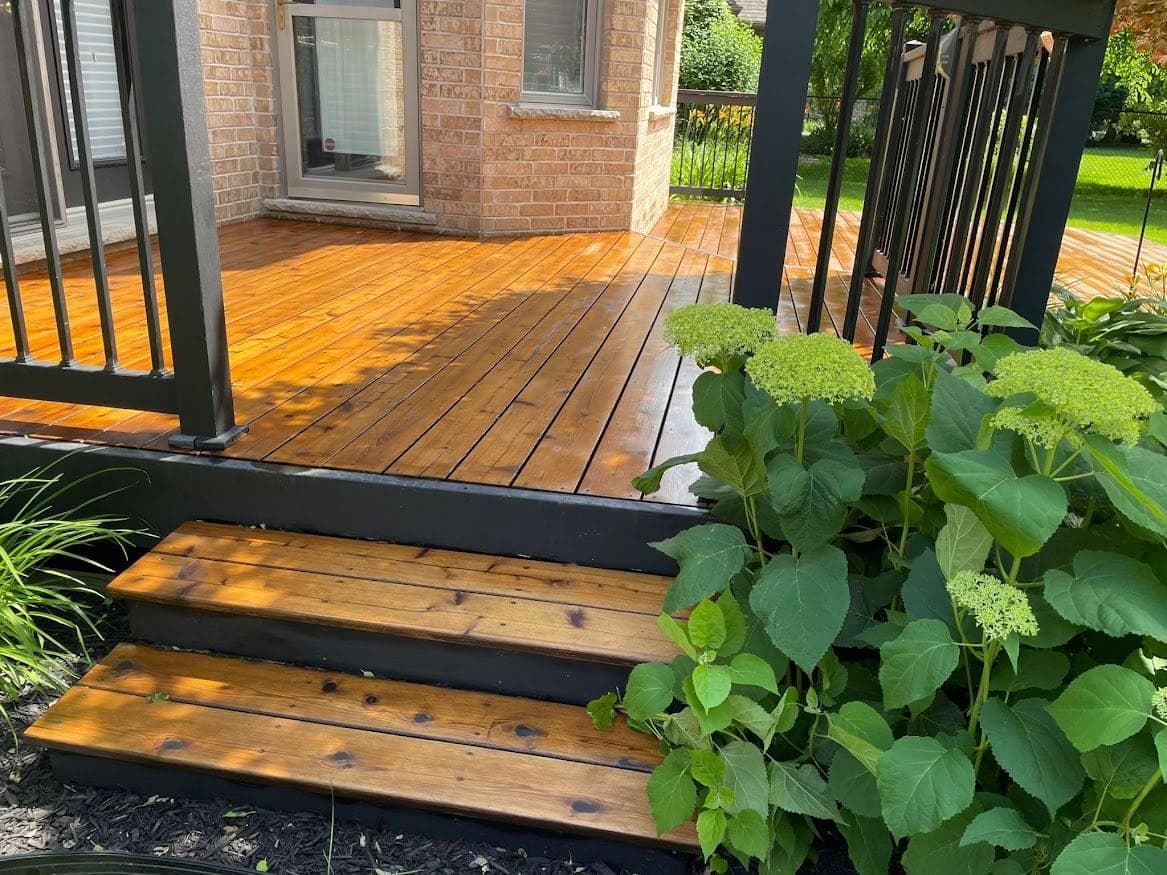
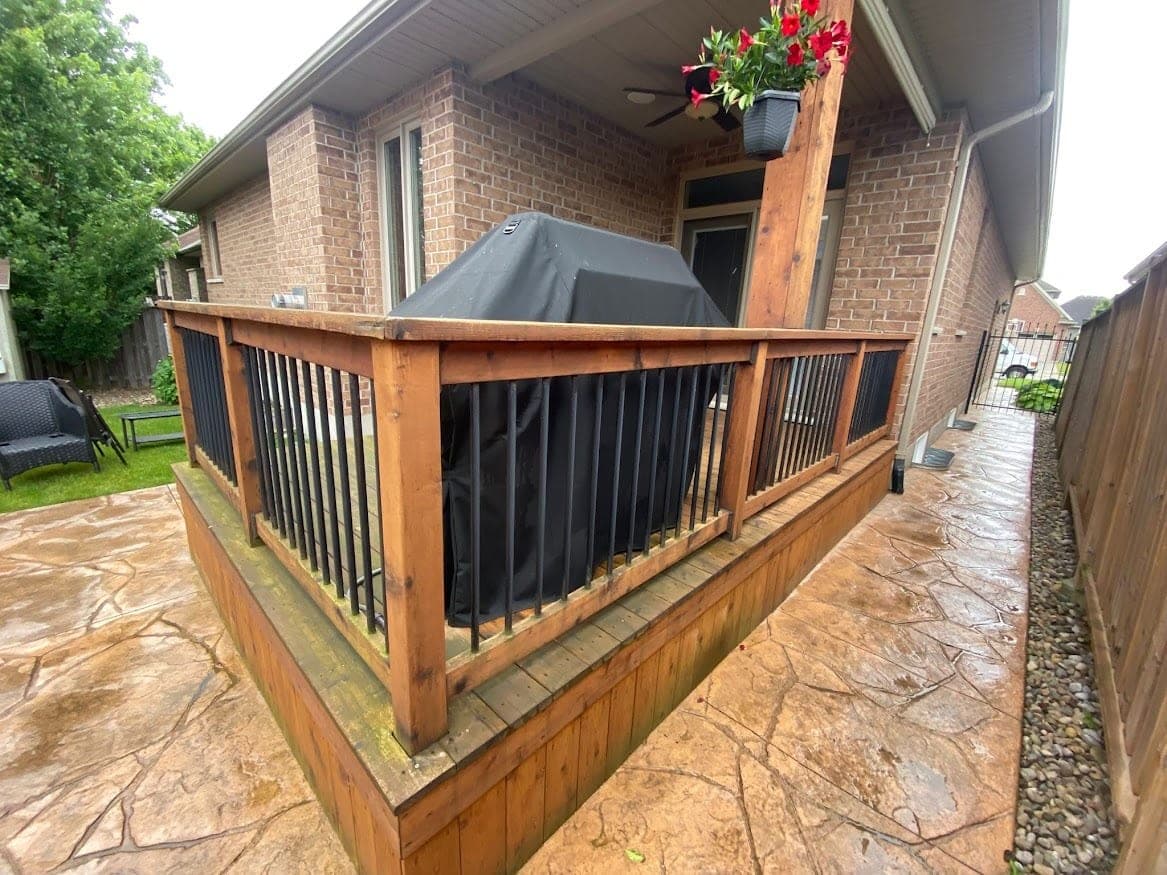
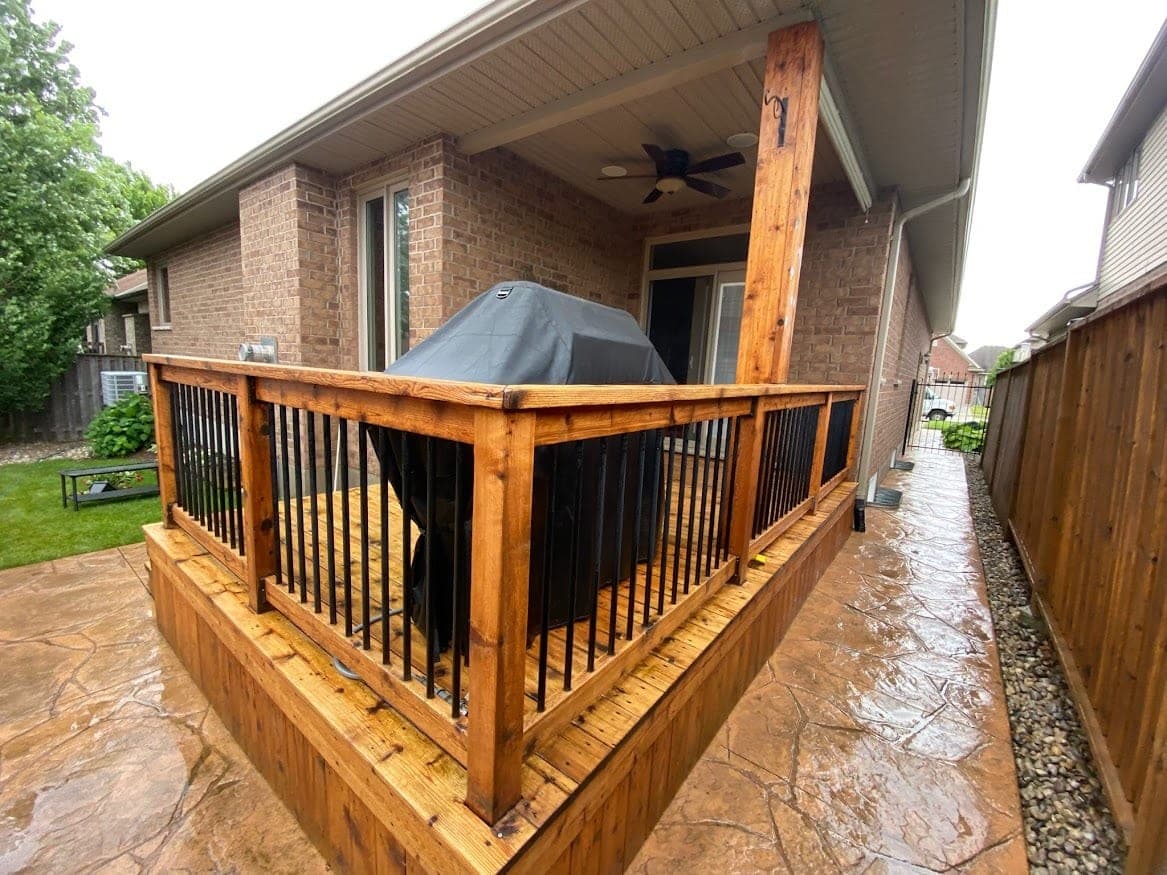
Ancaster and Dundas both have a reputation for larger, established properties with mature landscaping, and the decks we see there tend to be bigger, older, and often built from cedar rather than standard pressure-treated lumber. Cedar holds up well structurally but still needs UV protection, and shaded cedar decks under heavy tree cover in these neighbourhoods often show more moss and algae buildup than sun-exposed decks elsewhere in the city.
Westdale's character homes
Close to McMaster University, Westdale has some of Hamilton's most distinct older housing stock, with decks and fences that reflect decades of different owners and renovations. It is common here to find a deck that was clearly added or rebuilt well after the original house, sometimes with railing styles that do not match the era of the home. We assess each Westdale project on its own condition rather than assuming a uniform age or wood type.
Wind exposure on the Mountain and out in Binbrook
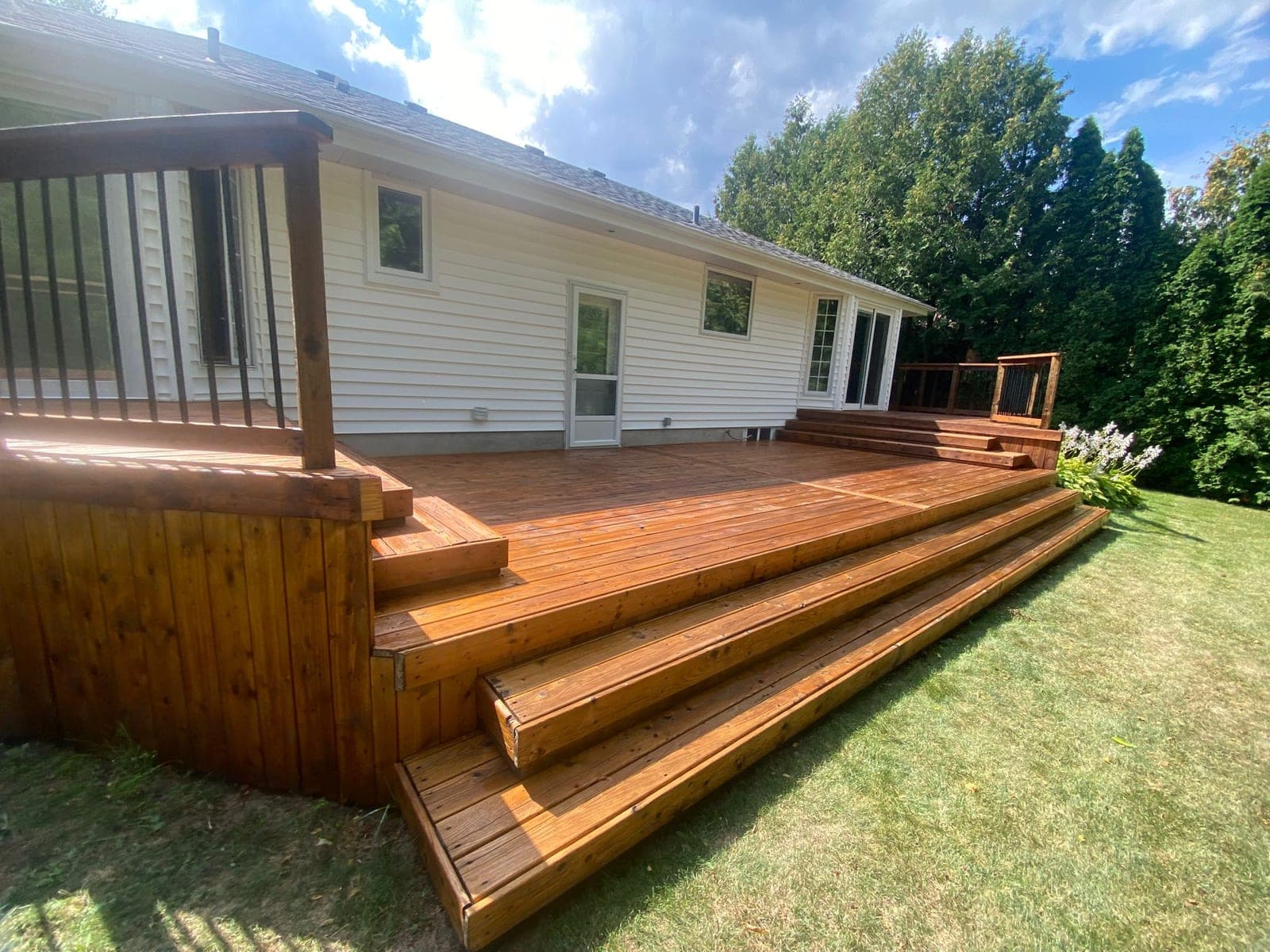
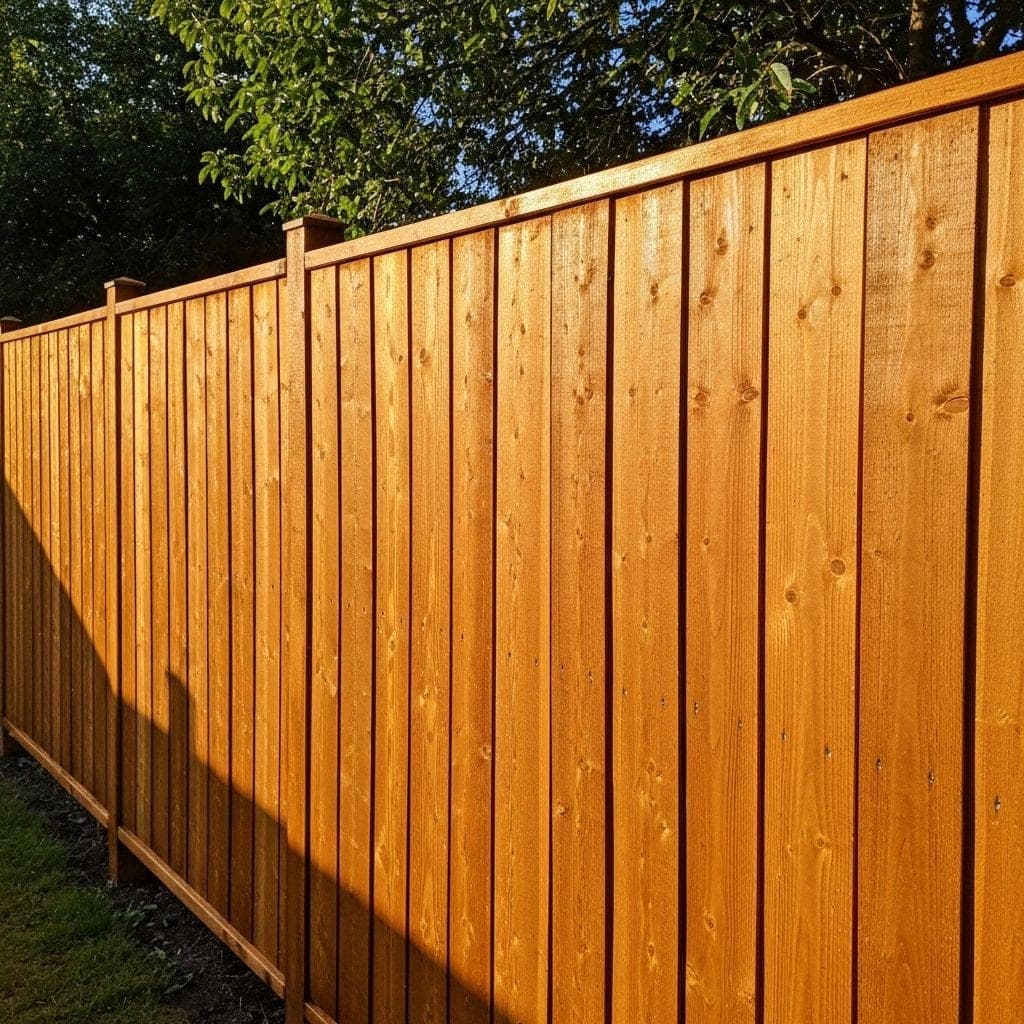
Properties on the Mountain face steadier wind than the lower city, which can loosen fence pickets and dry out stain faster than in more sheltered neighbourhoods. Binbrook, further out and more rural in character, often has larger lots with longer fence runs and bigger decks, meaning projects there tend to take more time simply due to the scale of the structure rather than any unusual complexity.
Newer construction in Waterdown
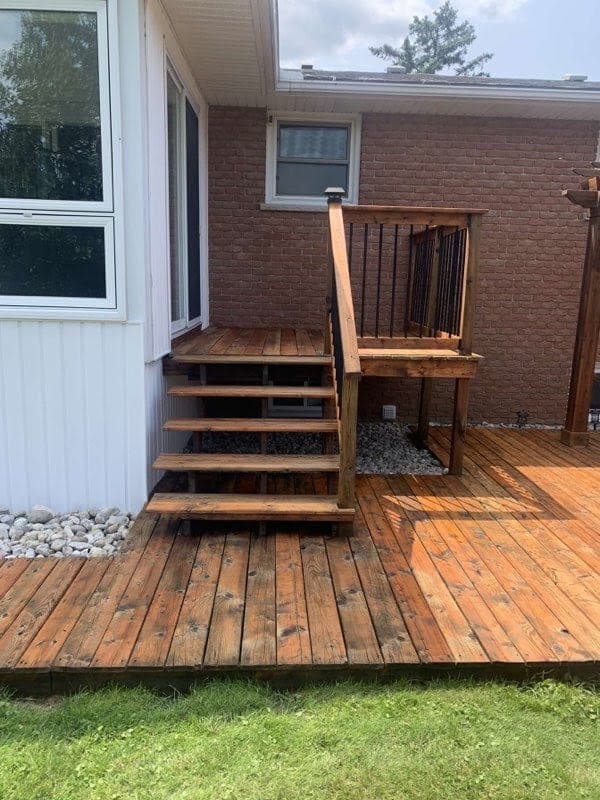
Waterdown has grown quickly over the past decade, and most of its decks are still relatively young, original pressure-treated construction. These projects are typically the most efficient in Hamilton to quote and complete, since there is rarely old paint, mismatched prior stain, or structural wear to work around.
- Ancaster and Dundas cedar decks: watch for moss under heavy shade
- Westdale: assess deck age and railing style independently of the house
- The Mountain and Binbrook: expect stronger wind wear and larger project scope
- Waterdown: straightforward newer builder-grade decks and fences
- Stoney Creek: shorter restaining interval due to lake humidity
Matching stain sheen to Hamilton's terrain
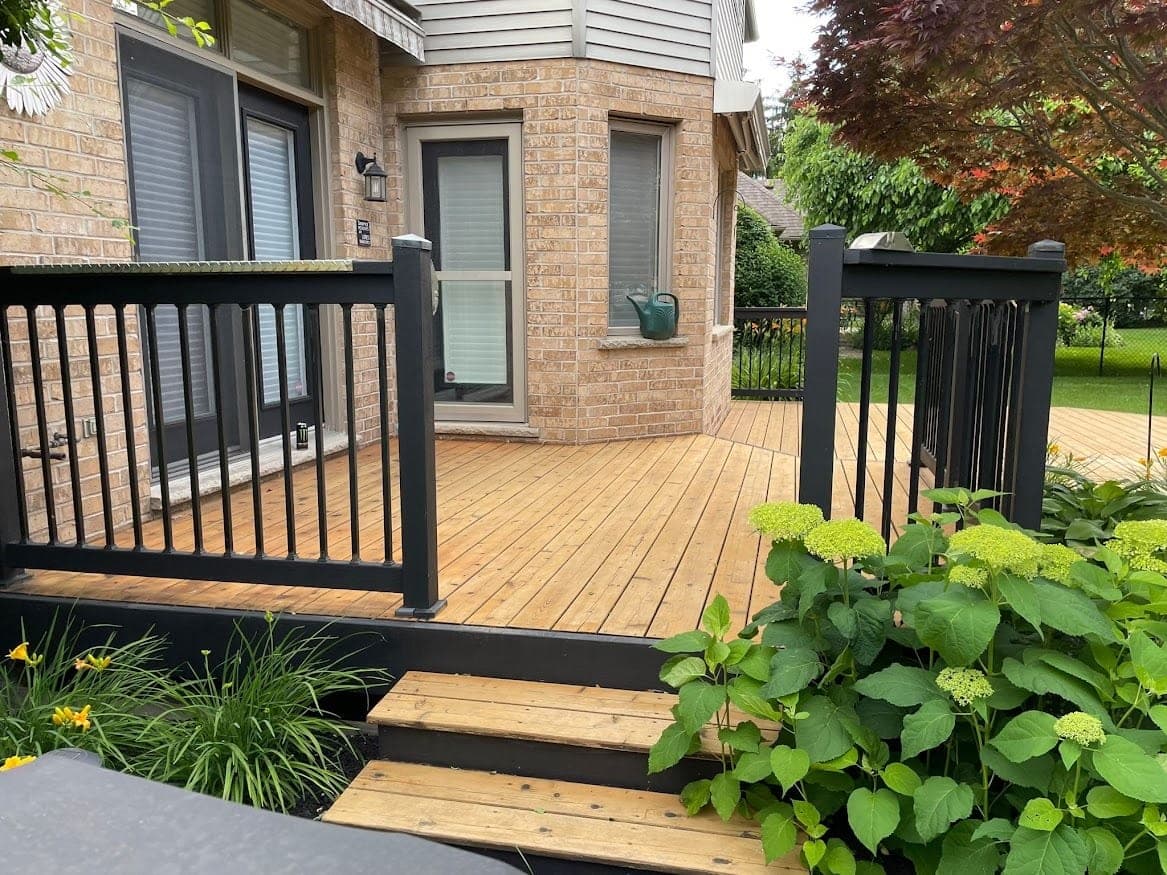
We also factor terrain into which stain level we recommend across Hamilton. Sheltered, tree-heavy Dundas and Ancaster properties tend to do well with semi-transparent stain, since the wood gets moderate rather than intense UV exposure and the priority is keeping moisture and mildew in check. Mountain and Binbrook properties, facing more sustained wind and open sun, generally hold up better with semi-solid stain, which offers stronger UV resistance for wood that spends more of the day fully exposed. Stoney Creek sits somewhere in between, and we usually make that call on-site depending on how close a given property is to the water and how much surrounding tree cover it has.
Read more about our process at /deck-power-washing and /fence-staining, or send photos of your Hamilton property through /contact-us for a free quote.