Two building eras, two different starting points
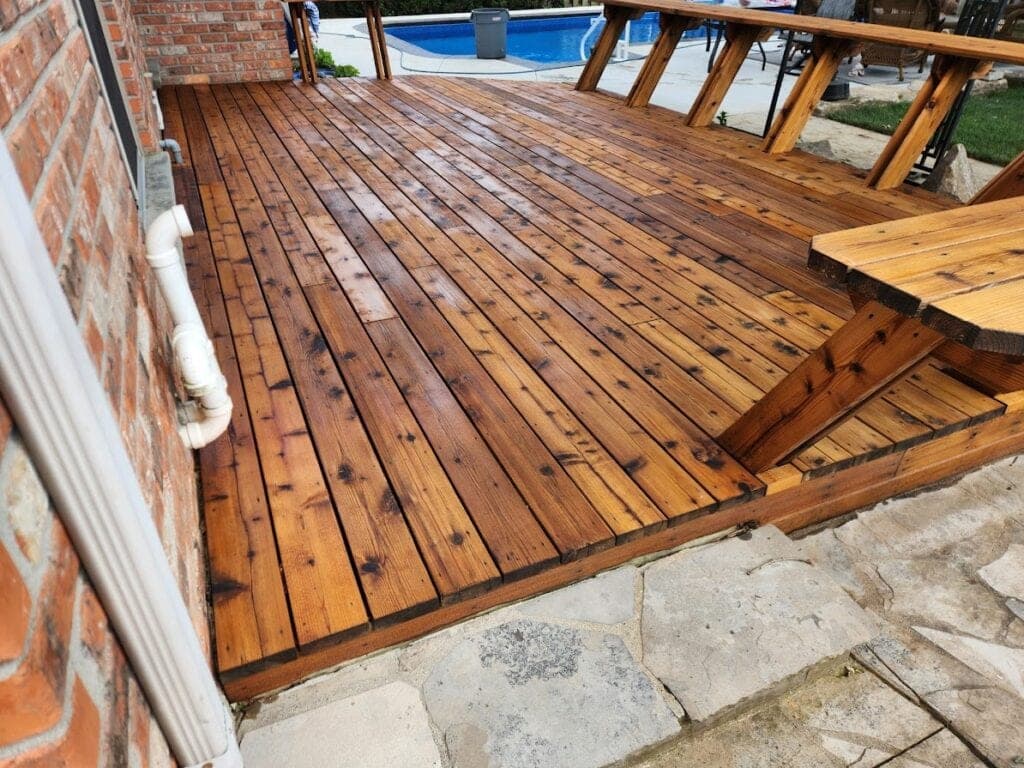
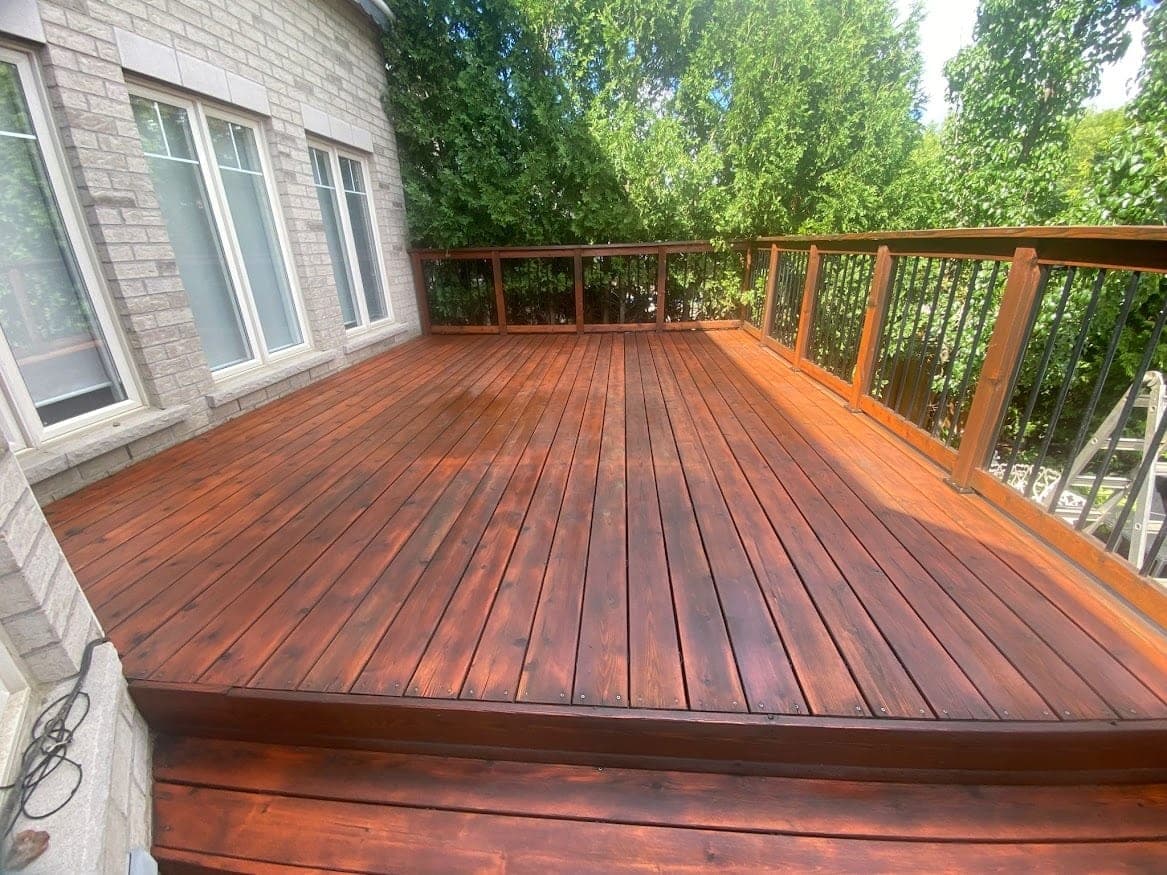
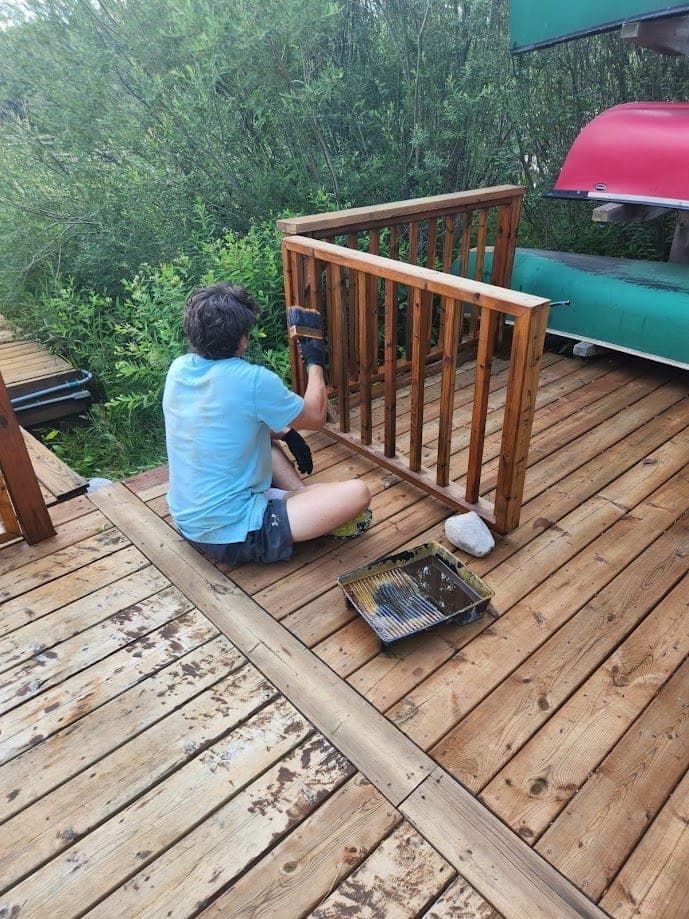
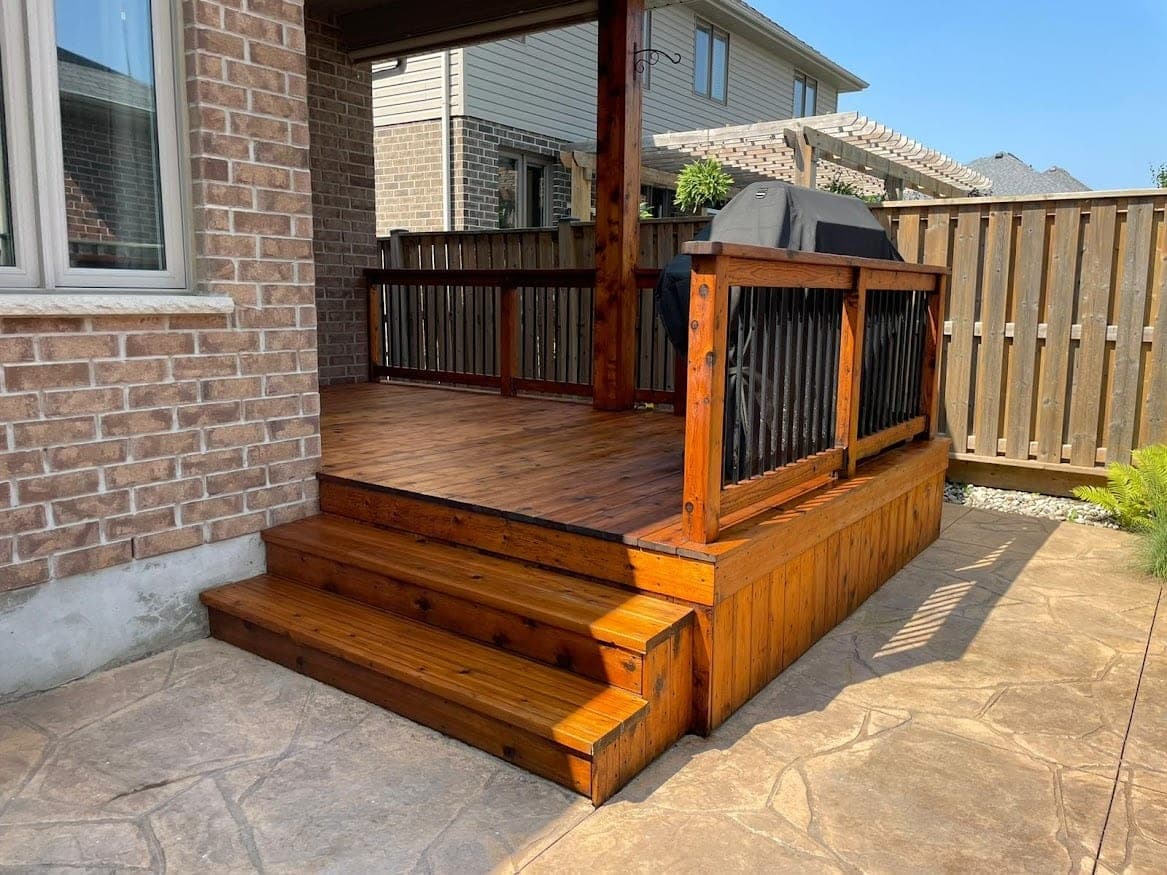
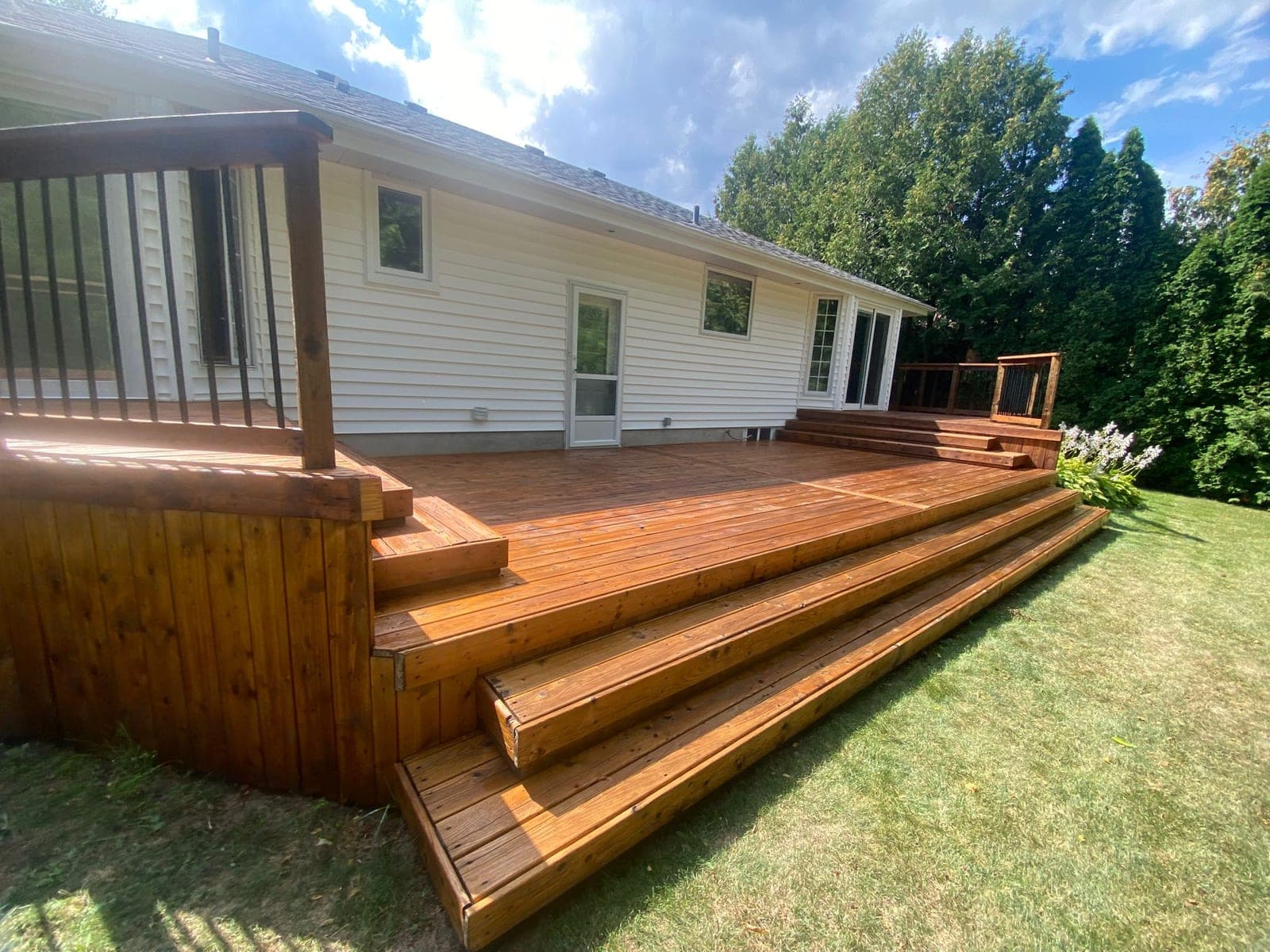
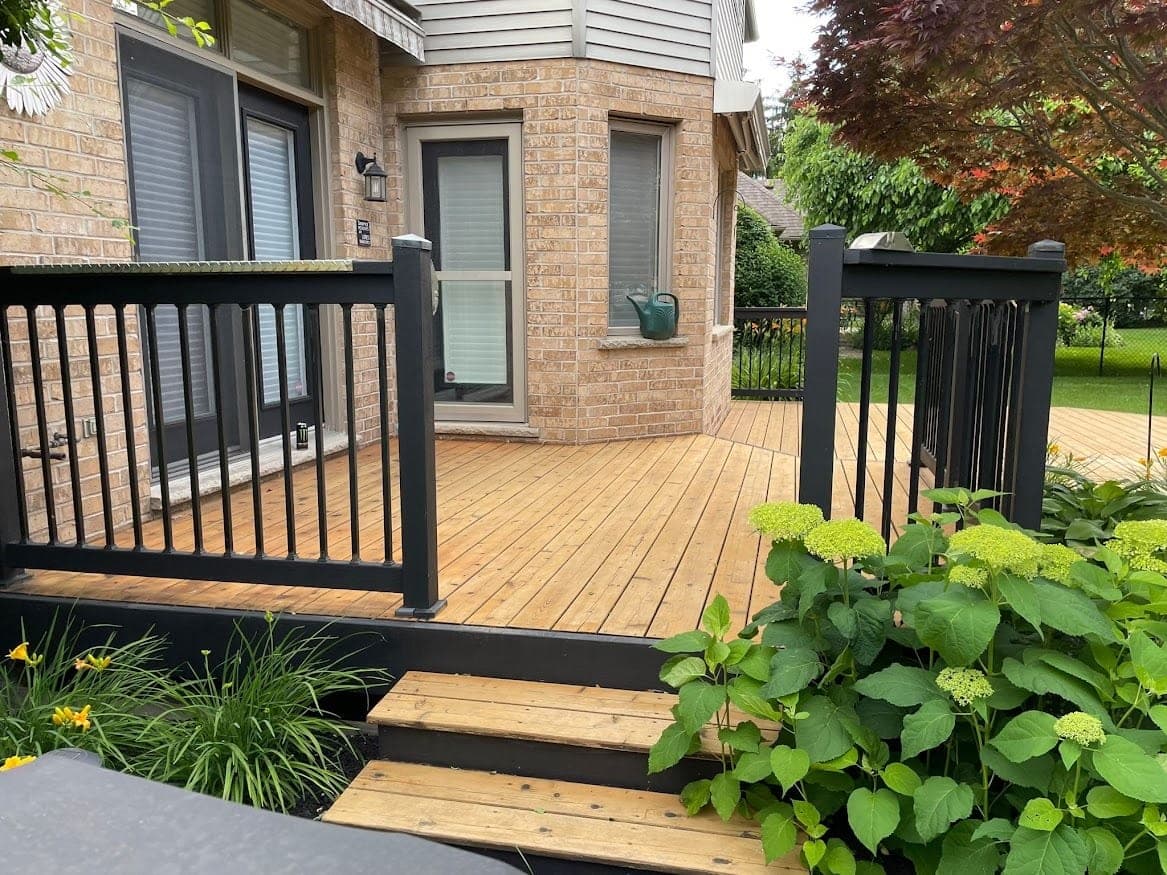
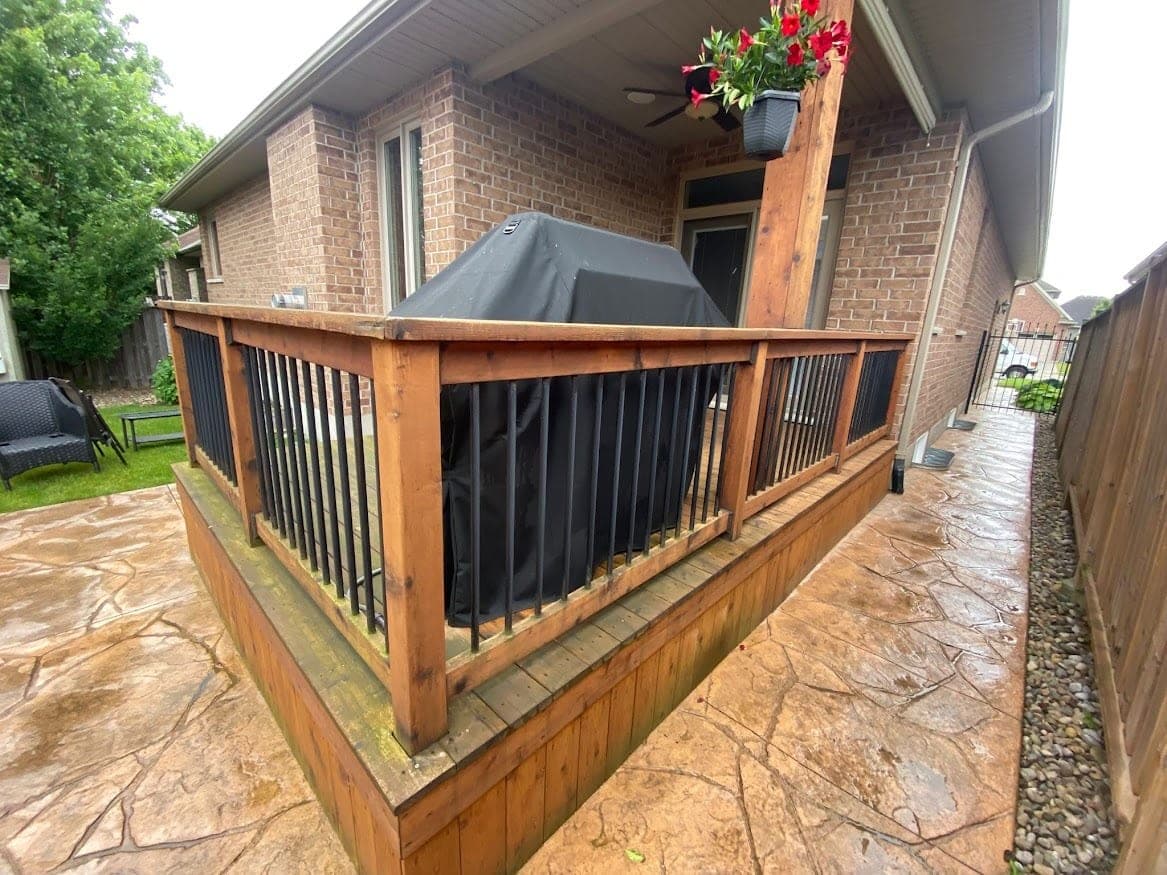
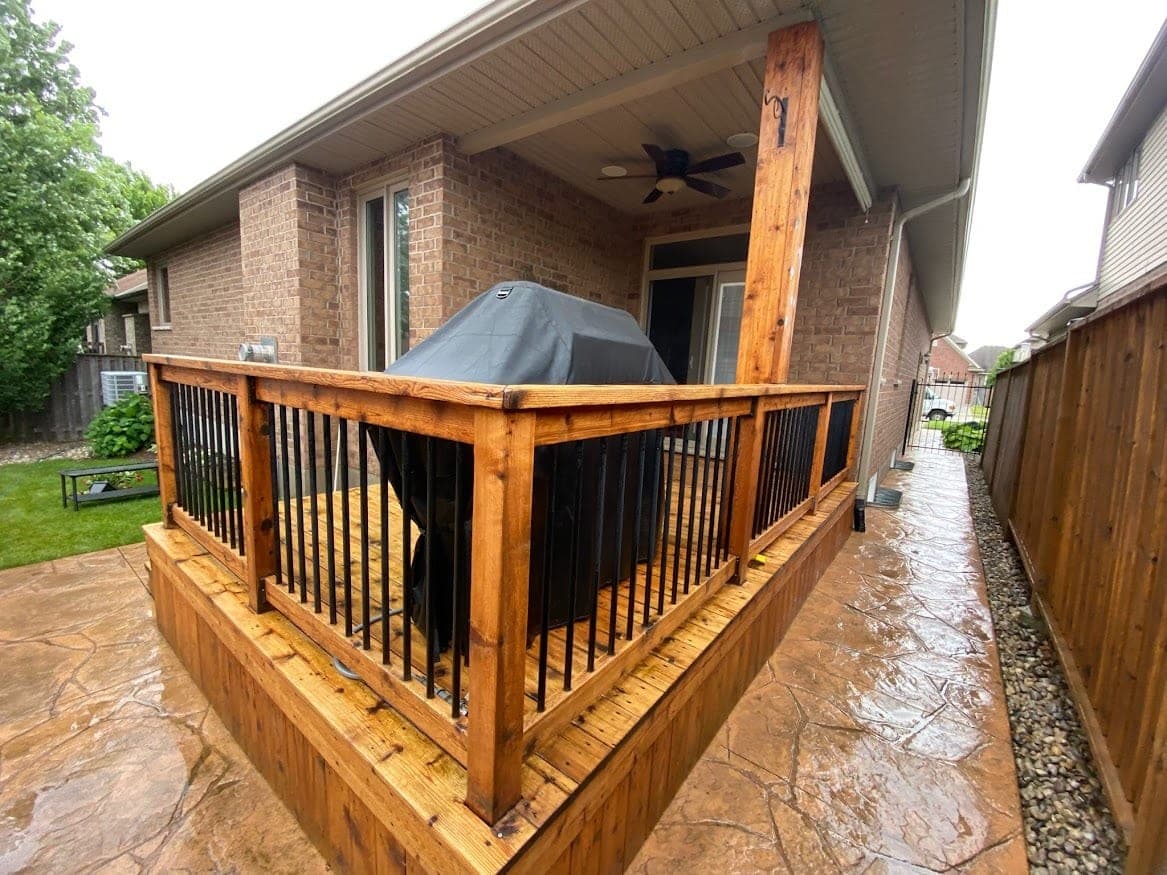
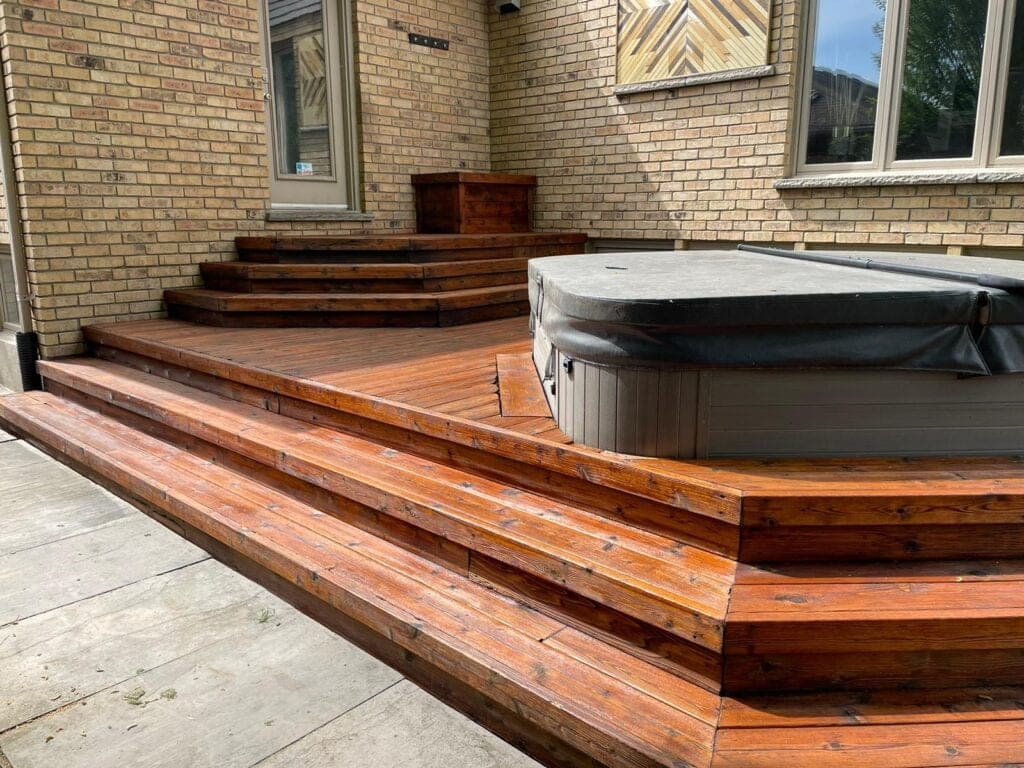
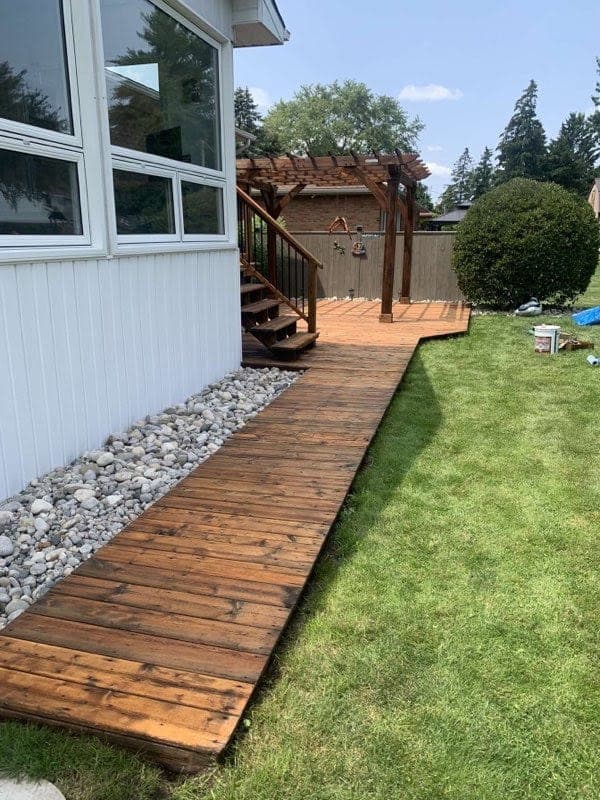
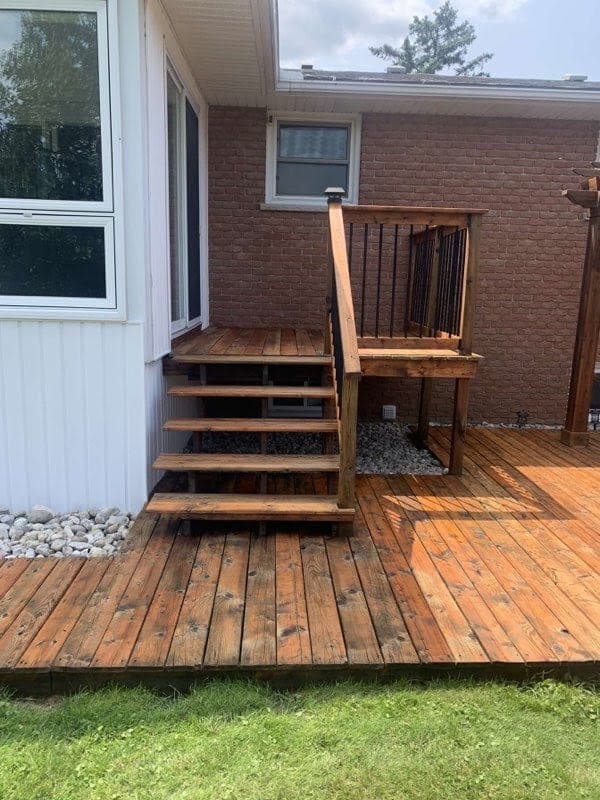
Beechwood, Laurelwood, Columbia Forest and Clair Hills were all developed within roughly the same generation of subdivision building, and it shows in the decks: mostly original pressure-treated structures, often with the builder-grade railing systems still in place, that have gone ungreyed for years or are only now getting their first real restoration. These decks tend to have consistent absorption once cleaned, which makes them straightforward to bring back with a clean, sand and brush-applied stain. Uptown and the older streets near Lakeshore tell a different story, with smaller lots, mature trees, and decks or fences that may have been painted, stained, or left bare at different points by different owners over the years.
Rental turnover near the university core
With two universities nearby, Waterloo has a higher share of rental properties than most cities on this list, particularly close to Uptown and the areas bordering Kitchener. Landlords and property managers often want deck and fence work scheduled around tenant turnover in the spring and late summer, and we are used to working within those tighter windows. A well-sealed deck also holds up better under higher foot traffic, which matters for a rental property that sees more use than an owner-occupied home.
Sun exposure in the newer west end
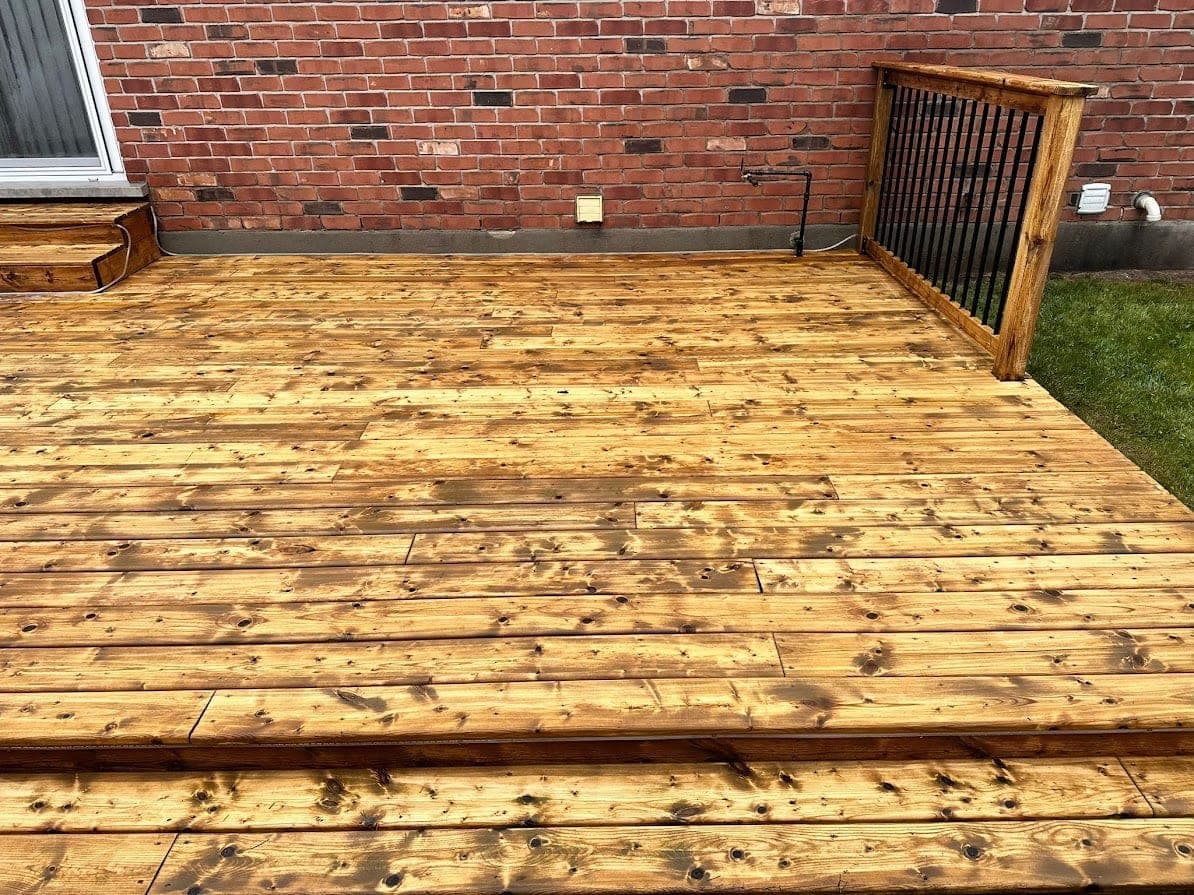
Eastbridge and Columbia Forest backyards tend to be more open than older, tree-heavy streets, since landscaping in newer subdivisions takes longer to mature. That means decks there get more direct UV exposure and grey out faster if left unfinished, especially anything facing south or west. We generally recommend semi-transparent or semi-solid stain for these decks, since it holds up better under sustained sun than a very thin transparent coat.
Fencing around Westmount and Lakeshore
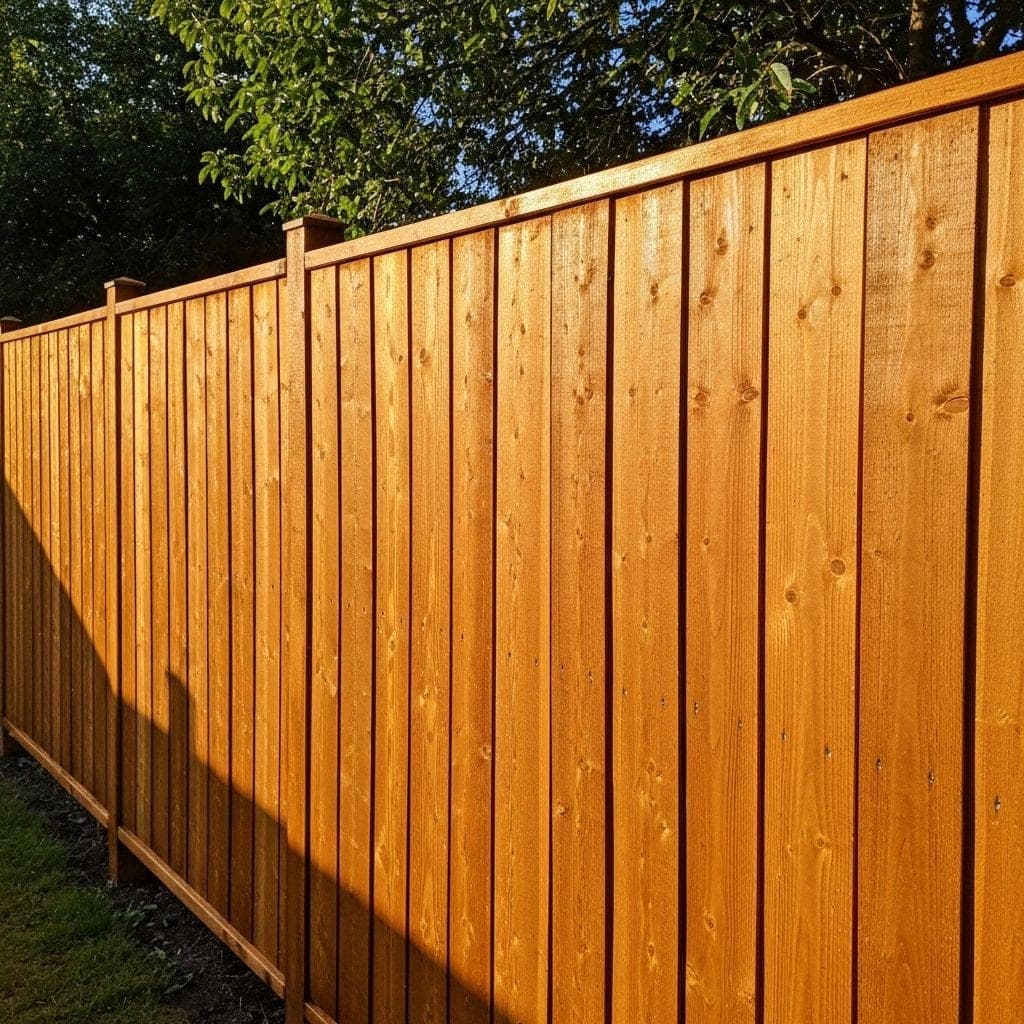
Board-on-board and shadowbox cedar fences are common throughout Westmount and the streets near Lakeshore, often used to separate larger backyards or line properties near green space. These fences see less direct sun than a west-facing deck but more moisture from surrounding grass and irrigation, so we check for soft spots at the base of each picket before staining and replace anything compromised rather than staining over rot.
What Waterloo homeowners typically need
- Newer builder-grade PT decks in the west end: first restoration usually needed around year 8-12
- Rental properties near Uptown: schedule around tenant turnover for least disruption
- South- or west-facing decks in open-lot subdivisions: semi-solid stain for stronger UV resistance
- Older Uptown fences with mixed prior finishes: expect extra prep to strip inconsistent coatings
Choosing between transparent, semi-transparent and semi-solid in Waterloo
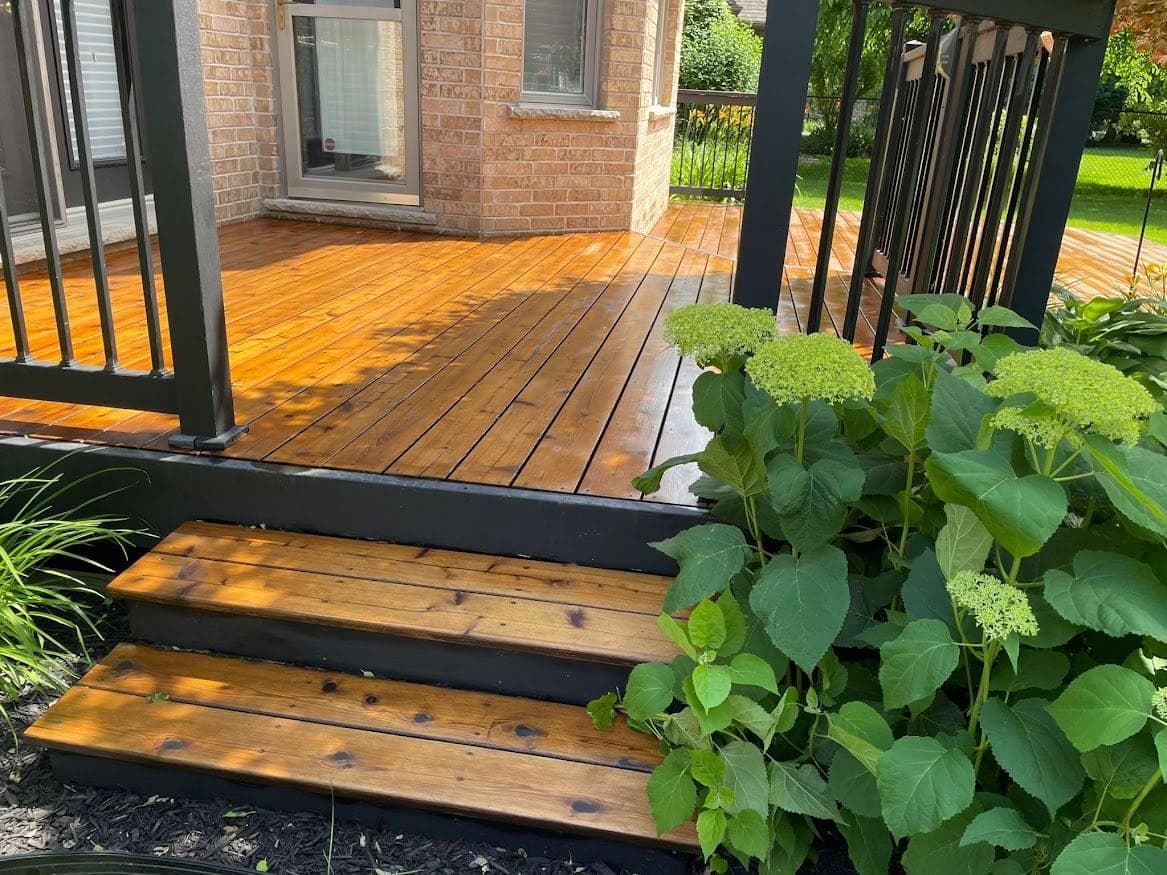
The right stain level in Waterloo often comes down to how much sun a deck gets rather than personal taste alone. A shaded Uptown deck under mature trees can usually get away with a lighter transparent or semi-transparent oil-based stain, since sun exposure is limited and the priority is moisture protection over UV resistance. A wide-open deck in Eastbridge or Columbia Forest, by contrast, benefits from semi-solid stain that offers stronger UV blocking, since these newer yards have little tree cover to shield the wood through the middle of a summer day. We walk homeowners through this trade-off before recommending a product rather than defaulting to one option across the board.
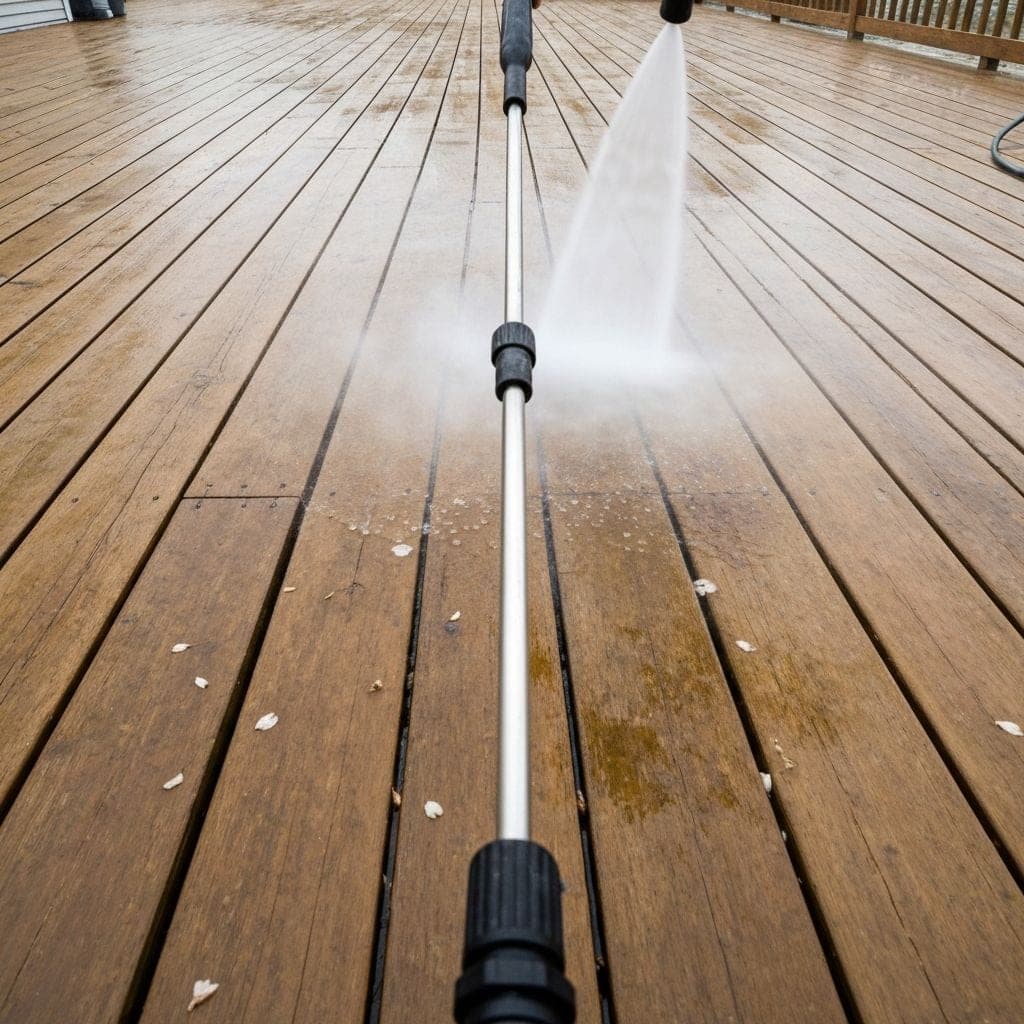
Restore My Deck handles the full process from cleaning through final inspection. See /deck-staining and /deck-power-washing for details, or reach out through /contact-us with photos of your project for a free quote.